

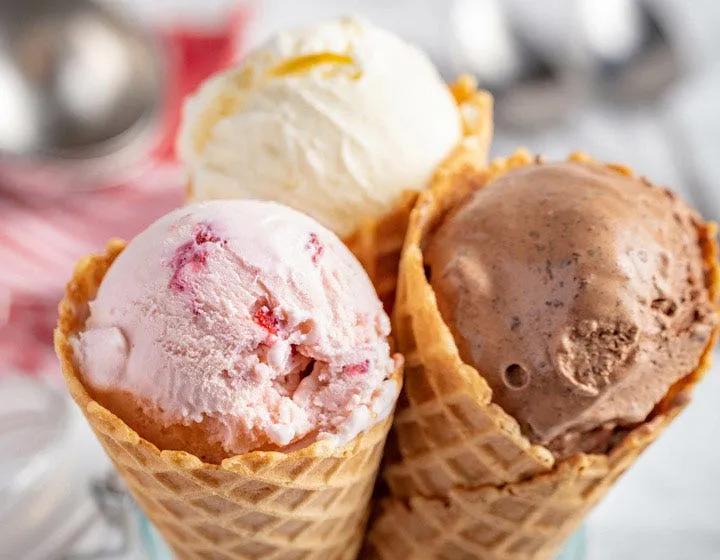
Developing a reduced-sugar frozen dessert works best when sweetness and color are considered together from the beginning. Teams working with an Allulose Manufacturer need to think about more than replacing sugar by weight. FoodRGB offers allulose in powder and liquid forms and lists dairy and frozen drink applications. Because allulose provides about 70 percent of sugar’s sweetness, developers may need to rebalance the formula. Those changes can also affect solids, mouthfeel, and the way a natural color appears in the finished frozen product during regular commercial production.
Allulose Changes More Than Sweetness
Sugar contributes sweetness, but it also influences body, freezing behavior, and the overall eating experience. When allulose becomes part of the formula, developers should review texture and sweetness together rather than expecting an identical one-for-one result. FoodRGB describes allulose as heat-stable and readily soluble in water, which can make it practical in dairy and frozen applications. Even so, the finished recipe should guide decisions. A small change in solids or flavor balance can alter how the dessert tastes and how its color is perceived.
Color Looks Different After Freezing
Natural color should be judged after the dessert has gone through freezing, not only while the mix is liquid. Milk solids, plant proteins, fat, stabilizers, and incorporated air can soften a shade that looked much stronger before processing. FoodRGB supplies ice cream colors in water-soluble and oil-suspended systems, with both powder and liquid formats available. Developers can compare several concentrations in the complete base, then review the samples again after hardening. That provides a more realistic picture of what customers will see when the product is served.
Sweetener Changes Can Shift Appearance
Reformulating sweetness can indirectly change the visual result because the recipe around the pigment is changing too. A lower-sugar formula may use different levels of solids, flavors, stabilizers, or other sweeteners, and those adjustments can make a natural shade look lighter or deeper. Developers should avoid finalizing color before the sweetening system is settled. Running the complete formula side by side with the original version makes differences easier to spot. It also reduces the chance of repeating color work after the texture and sweetness have already been approved.
Processing Still Needs a Real Trial
Frozen desserts often go through several steps before they reach the freezer, including blending, pasteurization, homogenization, aging, and flavor addition. FoodRGB’s ice cream guidance shows color being added during the blending stage after flavors in one example process. A development team should still test the sequence that matches its own production line. Heat exposure, holding time, and mixing can affect both ingredient performance and final appearance. Checking the color after processing, freezing, and hardening gives a more useful answer than relying on a fresh laboratory mix.
Choose the Format for the Equipment
Powder and liquid ingredients can behave differently when production moves from a bench sample to a commercial tank. Allulose is available from FoodRGB in both forms, while its ice cream color systems also include powder and liquid options. The practical choice depends on dosing equipment, available water, mixing order, and batch size. A powder can be easy to weigh but needs to be dispersed properly. A liquid can make it easier to add in another operation. Testing the planned format early helps prevent handling changes after the formula has reached pilot scale.
Scale and Shelf Life Complete the Work
A successful small batch still has to prove itself during scale-up and storage. Larger mixers change circulation, transfer time and ingredient distribution, while freezing and packaging introduce further variables. Developers should collect samples from pilot production and check both sweetness and color after hardening. Shelf testing is useful as well, especially if the dessert has swirls, coatings, or inclusions with different compositions. The goal is a formula that remains visually consistent and pleasant to eat, not one that only performs well in a carefully controlled laboratory trial.
Conclusion
Reduced-sugar frozen dessert development works best when sweetness, color, texture, and processing are treated as one formulation problem. Allulose can support lower-sugar dairy and frozen applications, while natural color systems must still match the base, freezing process, and final appearance. At foodrgb.com, manufacturers can explore allulose and natural color solutions for product development. Testing the complete recipe through processing, scale-up, freezing, and storage gives teams a stronger basis for choosing ingredients that remain practical in production and deliver a consistent finished dessert over time.