

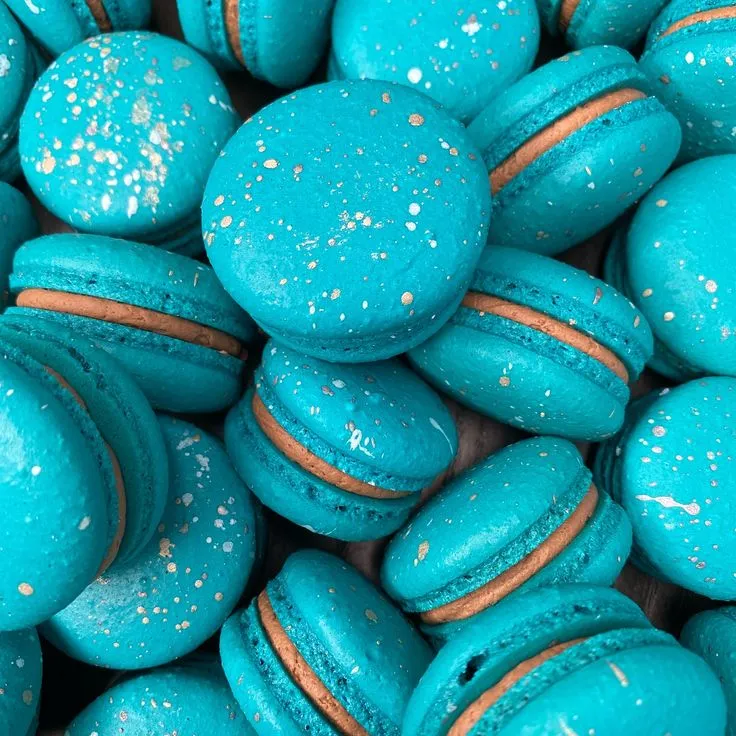
Blue is one of the more unique colors that are utilized in food and beverage development, especially if the manufacturer desires a product to have a bright, modern, and/or untraditional look. There are several natural sources of blue color, but each formulation has different characteristics. The food manufacturer should take into account the shade, pH, processing requirements, dispersion, storage and application requirements before choosing an appropriate color for commercial production.
Understanding Gardenia Blue
Gardenia Blue is a natural blue coloring ingredient related to those pigments obtained from the fruit of gardenia. It can offer blue shades for specific applications in the food sector where a plant-based color alternative is needed.
The final appearance is dependent on the concentration, formulation, processing and the surrounding food matrix. A sample that is concentrated can often look very different when it is diluted to become a finished product.
Therefore, it is important for manufacturers to consider gardenia color in the final formulation, not just the ingredient itself.
Where Natural Blue Colors Fit
Natural blue color may be used in foods like beverages, confectionery, desserts, bakery decoration, dairy products and formulated foods. The best ingredient to use will depend on the physical and chemical properties of the product.
The dispersion and cleanliness of the appearance may be critical in a clear beverage application; the heat and concentrated sugar systems may be critical in a confectionery application. When using frozen desserts, there are other factors to consider such as freezing and storage.
Knowing the application in the first place will help product developers whittle down choices of colors.
Consider pH Conditions
pH can be an important factor when working with natural blue pigments. The pH of the medium can affect the color, color strength and/or performance of some coloring ingredients.
The manufacturer should test the chosen color at the pH of the finished product. If the product is still in development, testing over a practical range of pH may assist in determining the response of the color to the changes in formulation.
This is especially helpful for drinks, fruit products, sauces and other items where acidity is a key ingredient in the recipe.
Evaluate Curcumin Color
Curcumin Color offers a natural yellow to yellow-orange color instead of a direct blue. It may be helpful for manufacturers when evaluating various sources of natural color for products that need warm colors.
This is significant when choosing ingredients for the desired look. A blue source should be compared with the desired blue color, and a yellow/orange color could potentially be achieved using curcumin.
When comparing color sources, their actual color characteristics should be considered to avoid inappropriate substitutions during the formulation process.
Check Processing Requirements
Food manufacturing may include heating, mixing, pasteurization, baking, freezing or other steps in the process. Natural color performance may be affected by these conditions.
Manufacturers should select the most critical processing step and replicate this step in the lab. Testing prior to processing might not be a true representation of the final appearance.
The processing time may also be important. Different results can be obtained after a short heat exposure and a prolonged heat treatment at the same temperature.
Review Dispersion and Format
Natural blue color could be in powders, liquids, concentrates, emulsions or other forms. Depending on the food matrix and manufacturing process, the appropriate format is used.
A powder might be advantageous for some dry products, and a liquid or dispersible might be easier to add to a drink or wet system.
Prior to accepting any format, manufacturers should check the solubility, dispersion, concentration, dosage, handling and storage requirements. Uniform distribution is essential for getting a uniform final appearance.
Assess Light and Storage
The natural color of foods may be affected by storage conditions. The type of pigment chosen might require light exposure, temperature, oxygen, packaging and storage time to be considered.
Transparent packages can allow more light to reach the product during transit and when it is on the shelf. Realistic packaging and storage conditions should be incorporated into the stability trials, therefore, by manufacturers.
Testing the product at various storage periods can be helpful to determine shade and overall product change.
Conduct Practical Application Trials
When choosing a natural blue color, application trials are a must. Manufacturers can perform controlled tests with various ingredients, under the same formulation and processing conditions, at various dosage levels.
Some helpful observations are shade, dispersion, processing response, color uniformity and storage appearance. These results can be recorded on a consistent basis and used as a basis for comparing alternatives in product development.
The final decision should be made based on actual product performance, not the appearance of the samples and/or the ingredients description only.
Conclusion
Natural blue color can offer unique opportunities for food processors, but, as with any ingredient, the choice needs to be made carefully, considering the entire formulation and manufacturing procedure. All factors affecting pH, processing, dispersion, format, packaging and storage should be evaluated in practical trials. FoodRGB.com offers a range of solutions that manufacturers can use to create naturally coloured food products and chat with a technical partner to discuss their formulation needs.