

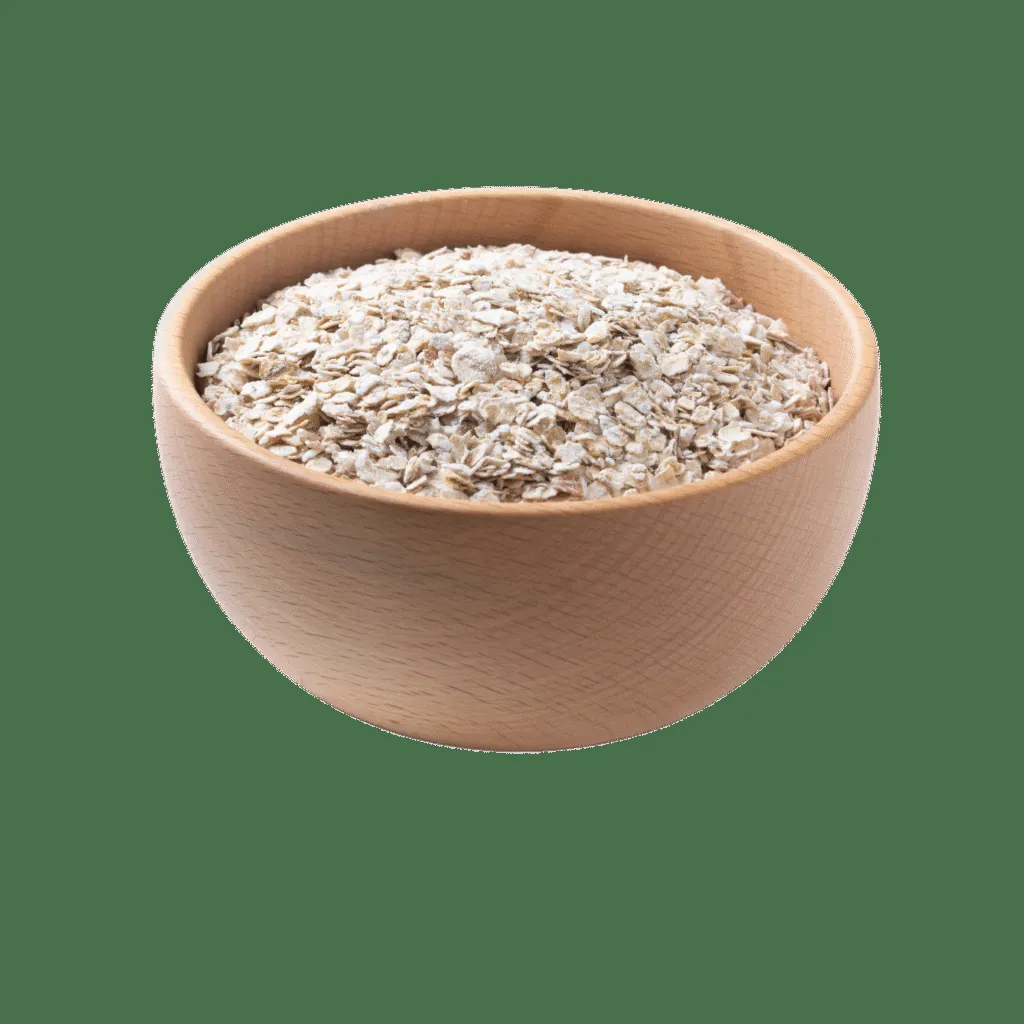
Psyllium has become an important botanical ingredient for food, fibre-based formulations and bulk ingredient businesses, but commercial purchasing demands careful attention to specification and handling. When selecting a psyllium husk exporter India, buyers and procurement teams should look beyond price and check purity, moisture, processing standards, packaging and documentation. Because psyllium is a natural agricultural product, quality can vary between lots. A clear buying process helps importers and manufacturers reduce uncertainty while ensuring that the material received is suitable for its intended use.
Why Psyllium Needs Careful Specification
Psyllium husk is obtained from the outer covering of Plantago ovata seeds. In commercial trade, buyers may encounter different purity grades and processing specifications. That makes it important to define exactly what is required before requesting a quotation.
Purity, moisture, colour, particle characteristics and foreign matter can all influence whether a batch is suitable for a particular application. A buyer using psyllium in a food product may have different requirements from a business repacking it for retail sale. Instead of relying on broad labels such as “premium quality,” procurement teams should request measurable specifications that can be checked during incoming inspection.
Samples Should Represent the Commercial Order
A sample is useful only when it reflects the material that will later be supplied in bulk. Buyers should evaluate appearance, odour, cleanliness and any other characteristics relevant to their own quality programme.
Where appropriate, laboratory checks can be used to confirm microbiological, residue or other parameters required by the destination market or the buyer’s internal standards. The exact testing programme depends on the application and local regulations, so businesses should establish these requirements before placing an order.
It is also sensible to keep an approved reference sample or specification record. Future deliveries can then be compared against a known standard rather than judged from memory.
Packaging Has a Bigger Role Than It Seems
Psyllium is sensitive to poor storage conditions, especially excess moisture. Packaging therefore plays an important role in protecting quality throughout transport and warehousing.
Importers should confirm bag construction, inner liners where necessary, net weight, labelling and batch identification before dispatch. The packaging format should match the length of the supply chain and the way the product will be handled after arrival.
Storage areas should remain clean and dry, with appropriate controls to prevent contamination or exposure to strong odours. Clear batch identification also makes stock rotation and traceability easier.
Broader Spice Procurement Requires the Same Discipline
The same principles apply when a buyer works with a bulk spices supplier India based businesses use them for international or domestic supply. Whole spices, powders, seeds and herbs each have different characteristics, but the procurement process should still begin with a clear end use and measurable quality expectations.
For example, whole seeds may be assessed for size, colour, foreign matter and aroma, while ground spices may require closer attention to particle size, moisture and flavour consistency. A reliable buying process should therefore be product-specific rather than based on one generic checklist.
This is especially important for manufacturers producing the same recipe throughout the year. Even small changes in spice strength, colour or texture can influence the finished product.
Documentation Supports Smoother Trade
For cross-border orders, product quality is only one part of the transaction. Buyers should also identify the commercial and regulatory documents needed for their destination market.
Requirements can vary by country and product, so importers should confirm them directly rather than assuming that one document set works everywhere. Packing lists, invoices, product specifications, test reports and other shipment documents may all form part of the process.
Clear communication before dispatch can prevent delays caused by missing or mismatched paperwork.
Consistency Matters More Than a Perfect First Sample
A supplier relationship should be assessed over time. One excellent sample or shipment does not guarantee that every future lot will perform the same way.
Procurement teams can track incoming inspection results, production feedback and any deviations from the agreed specification. When differences appear, sharing that information quickly gives both sides a better chance to identify the cause and improve the next order.
Lead times, communication and the supplier’s ability to maintain agreed grades are also important. A slightly lower price has limited value if quality varies enough to create extra testing, sorting or production interruptions.
Conclusion
Buying psyllium husk and bulk spices successfully requires a structured approach. Buyers should define the application, agree on measurable specifications, evaluate representative samples, confirm packaging and understand documentation requirements before shipment. They should also judge suppliers on repeat performance rather than a single delivery. By focusing on consistency, handling and clear communication, importers and food businesses can reduce avoidable purchasing risks and build a more dependable ingredient supply chain.